Location
Lisbon, Portugal
Project
Lisbon Municipality
Programme
Lisbon General Drainage Plan, Active Mobility and Public Space Strategy
Date
2026
Area
~18.000 m²
Dimensions
~120 m Width; ~150 m Length
Surfaces
~6.500 m² permeable; ~11.500 m² impermeable
Ground floor
40% Commerce; 30% Dwellings; 20% Offices; 10% Other
About
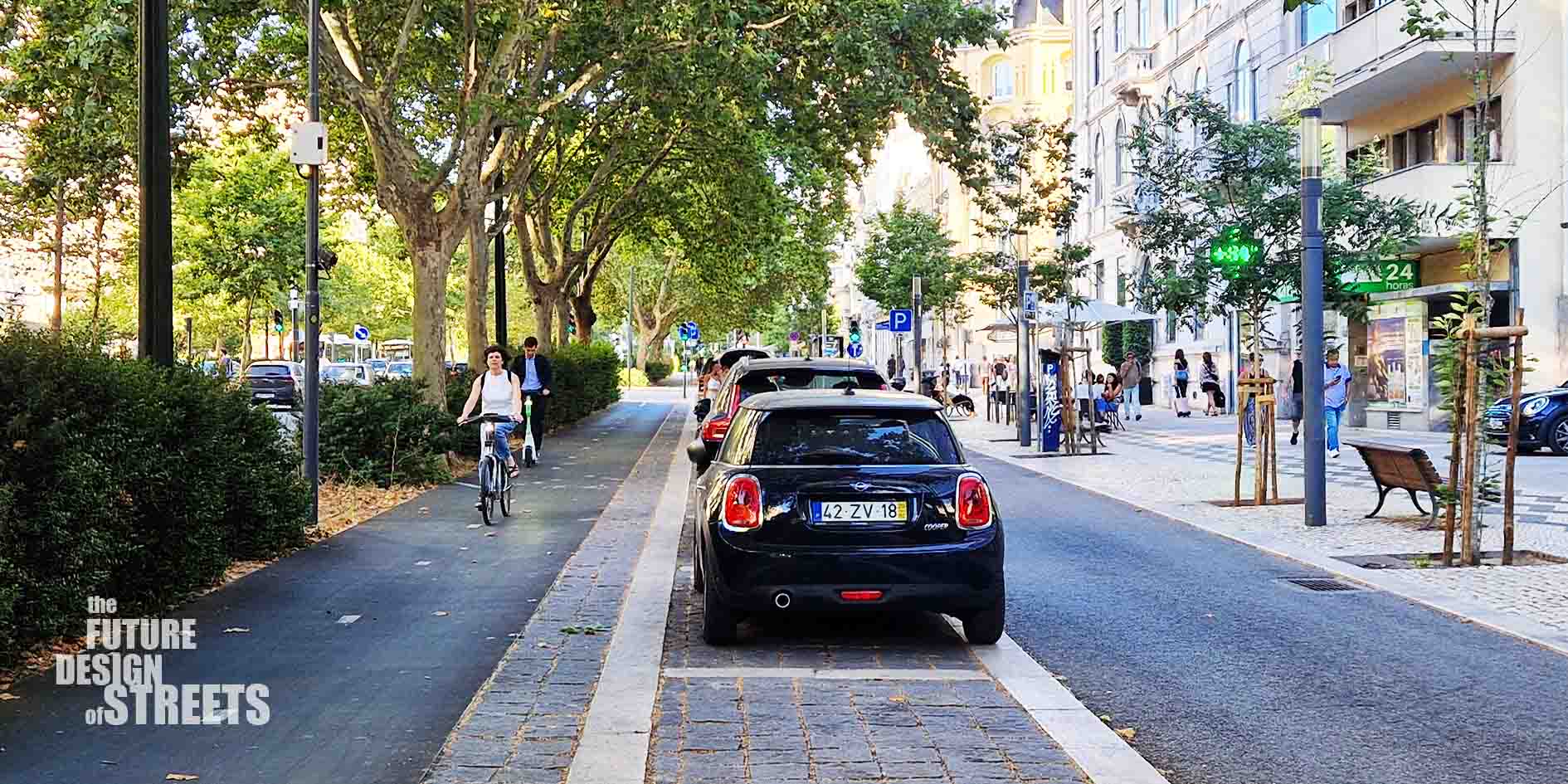
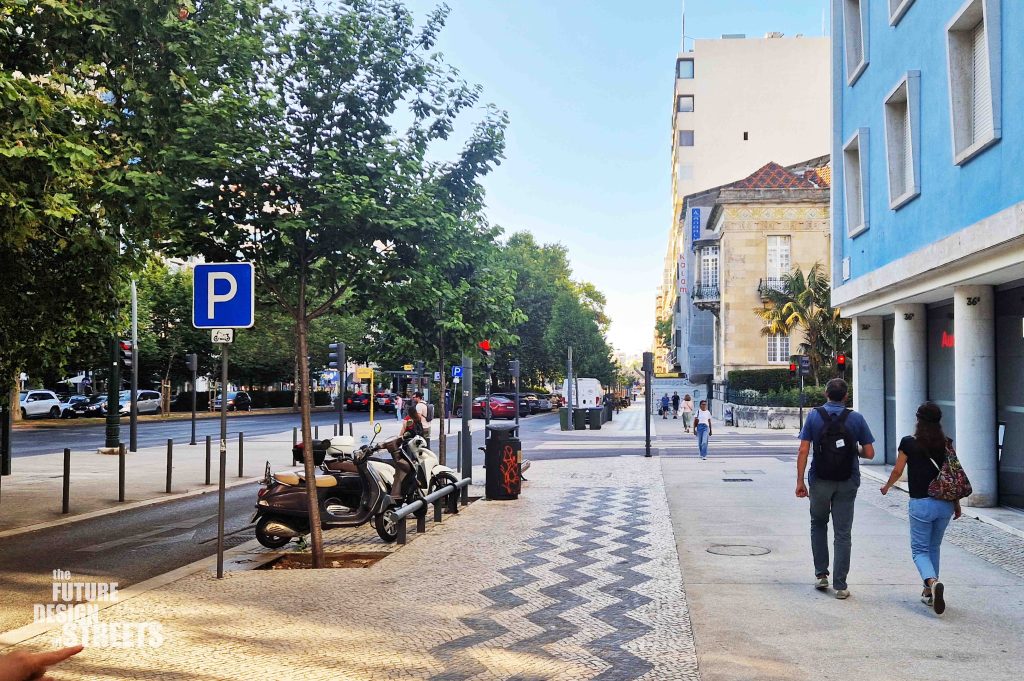
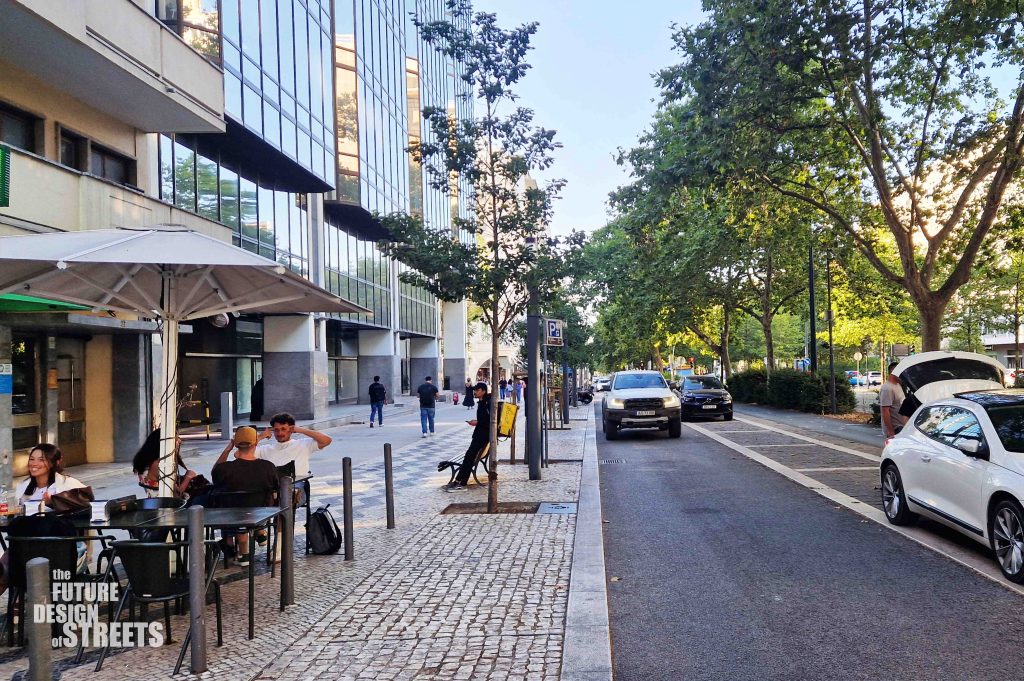
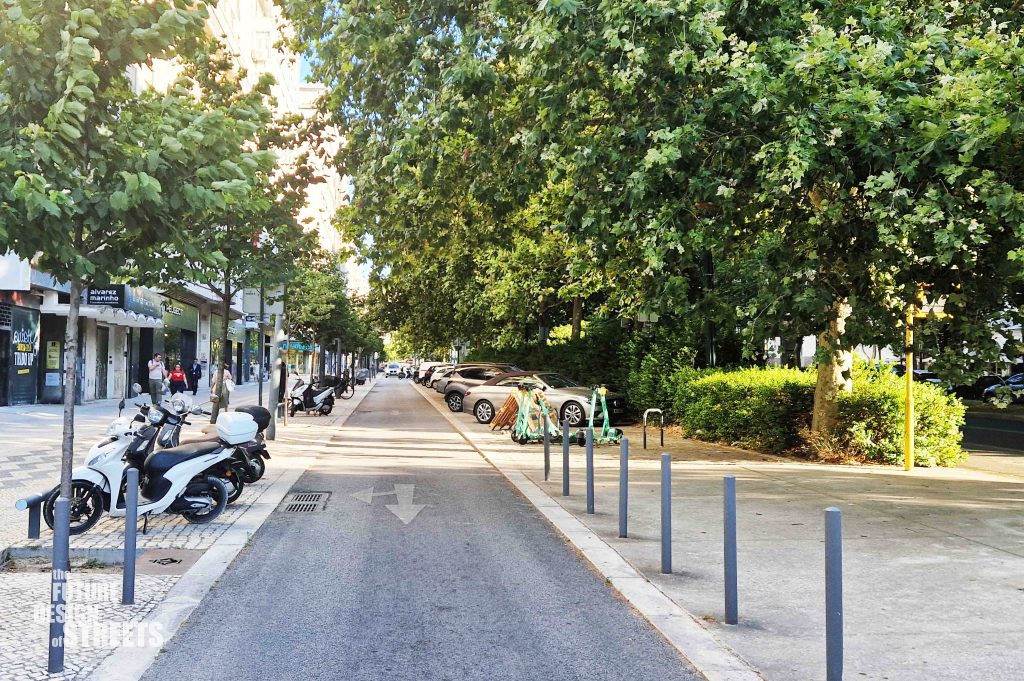
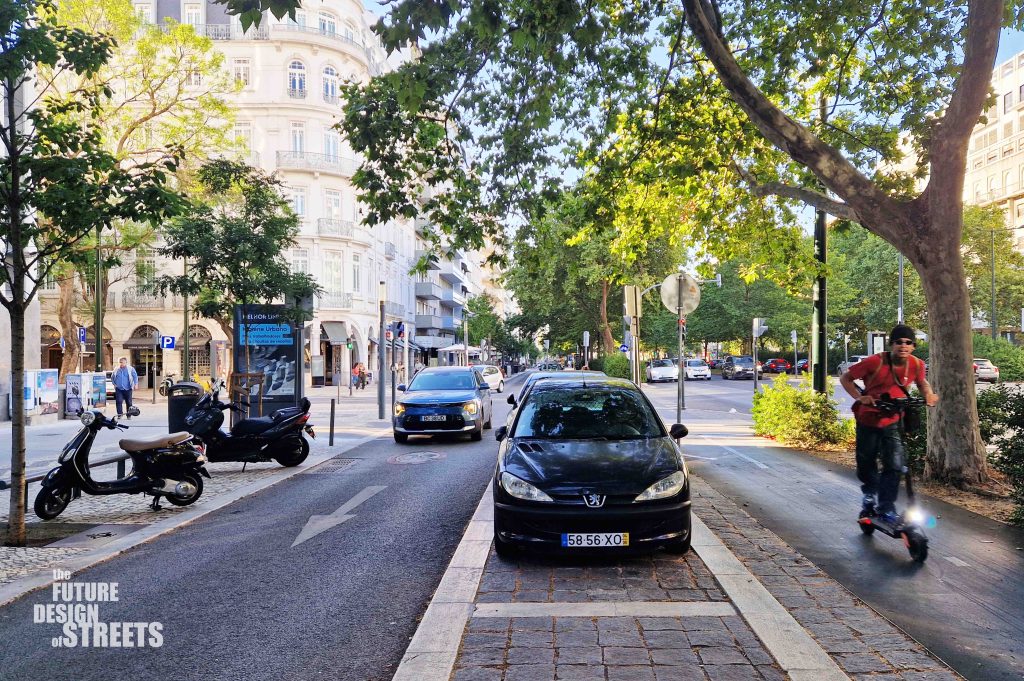
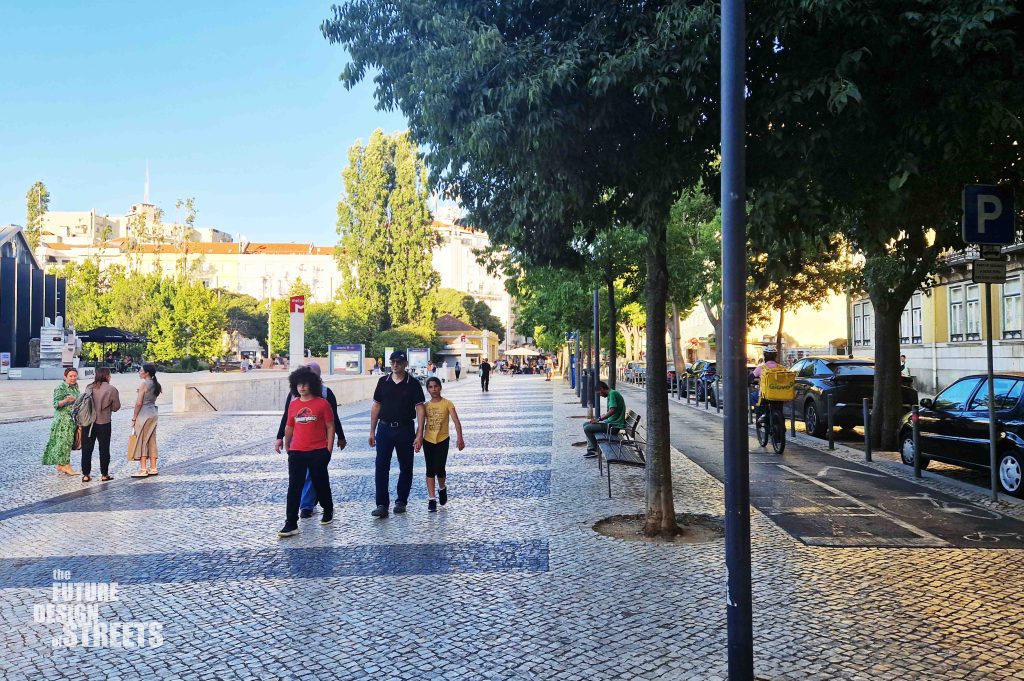
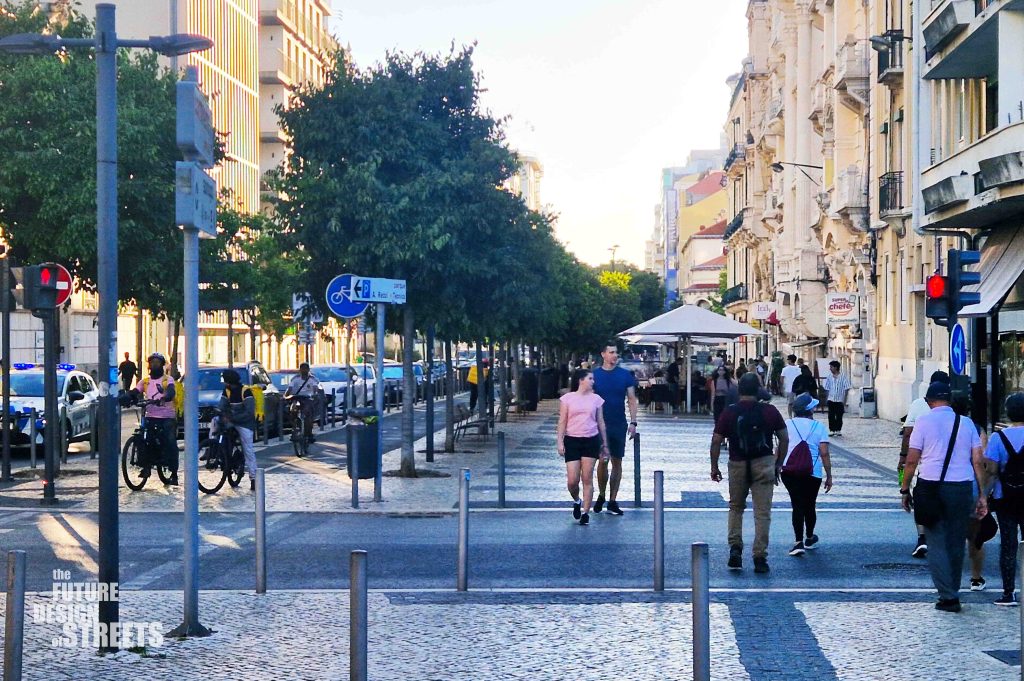
Pedestrian areas are being widened and made more continuous, crossings are reorganised, and paving materials are renewed to create a clearer and more coherent public realm.
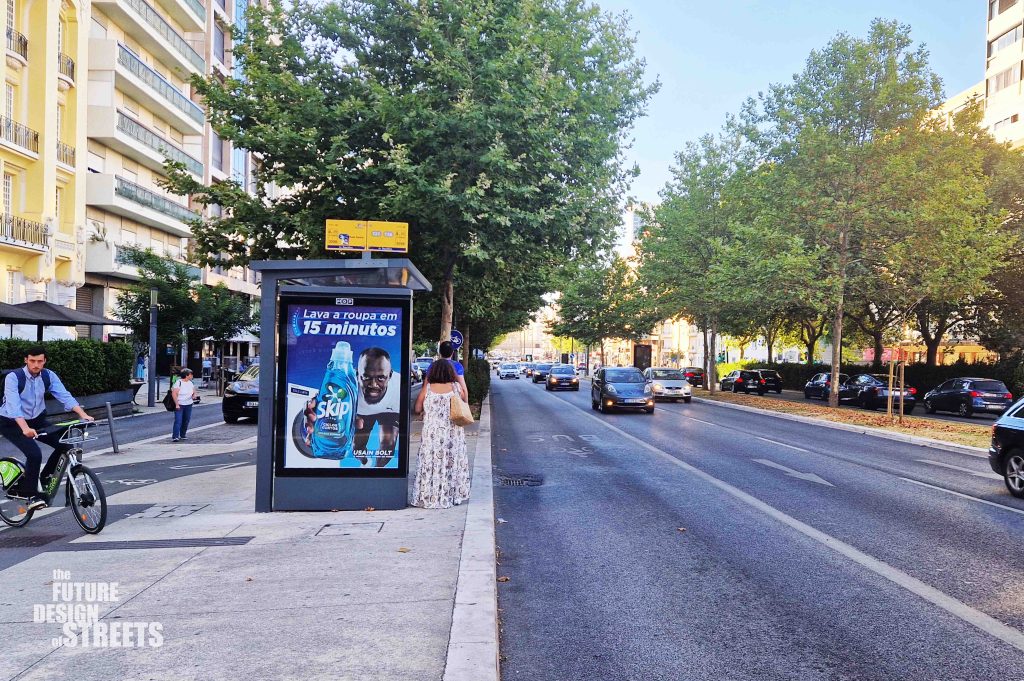
Praça da República in Lisbon is undergoing a transformation that reflects the city’s effort to reconcile infrastructure renewal with improved public space and mobility. Historically functioning as a traffic-dominated urban square, the space has long prioritised vehicular circulation over pedestrian comfort, resulting in fragmented sidewalks and limited opportunities for social use. The current intervention repositions the square as a more balanced and accessible urban environment, where movement, ecology, and public life are more carefully integrated.
The project, led by the Câmara Municipal de Lisboa, is part of the Lisbon General Drainage Plan, combined with broader strategies for active mobility and public space improvement. While the primary driver is the upgrade of underground drainage infrastructure to improve stormwater management and urban resilience, the intervention also introduces significant changes at surface level.
The spatial redesign focuses on simplifying circulation and reducing the visual and physical dominance of traffic.
These changes enhance accessibility and comfort, while maintaining the square’s role as an important node within the city’s mobility network.
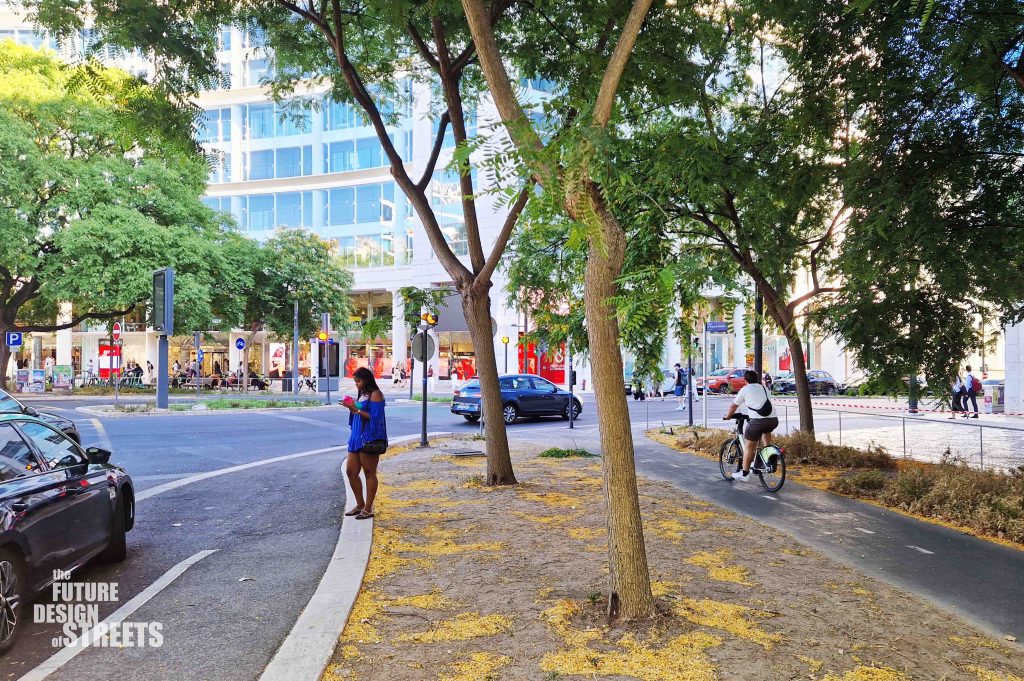
Environmental performance is integrated through the introduction of permeable surfaces and planting areas, supporting water infiltration and contributing to microclimate regulation. Tree planting and shaded zones improve thermal comfort and reinforce the square’s identity as a public space rather than merely a transit area.
Ground-floor uses surrounding the square, including cafés, shops, and residential entrances, benefit from the improved pedestrian environment, encouraging longer stays and greater social interaction. As a result, Praça da República begins to function less as a traffic intersection and more as a shared urban space, supporting everyday life and local activity.
Overall, the intervention illustrates Lisbon’s approach to infrastructure-led but design-conscious urban transformation, where technical upgrades are used as an opportunity to enhance spatial quality, environmental performance, and the experience of the public realm.
Photos
Map